WORTH ANOTHER GO? THE EDITORIAL VERDICT
Brotato
Choose Brotato for short arena waves and frequent build decisions between rounds. Character restrictions and frequent shop decisions keep the build puzzle visible throughout each short attempt.
Game facts
- Developer
- Blobfish
- Publisher
- Blobfish
- Released
- 23 June 2023
- Platforms
- Windows · macOS · Linux (Steam edition)
- Model
- Paid game
- PEGI
- 7 — Nintendo Switch edition; not a separate PC classification
- Players
- Single-player · Multi-player · Co-op · Shared/Split Screen Co-op
- Length
- Short
- Difficulty
- 3 / 5 · Challenging
- Steam Deck
- Verified
PEGI source ↗ · Steam Deck status source ↗
Edition: Base game
The score, explained
The interest and responsiveness of the core decisions and actions.
How progression, exploration and goals fit together.
The coherence of the visual, musical and narrative presentation.
How clearly the game explains its rules and offers useful ways to engage.
The depth of optional goals, alternative approaches and reasons to return.
A build tested one wave at a time
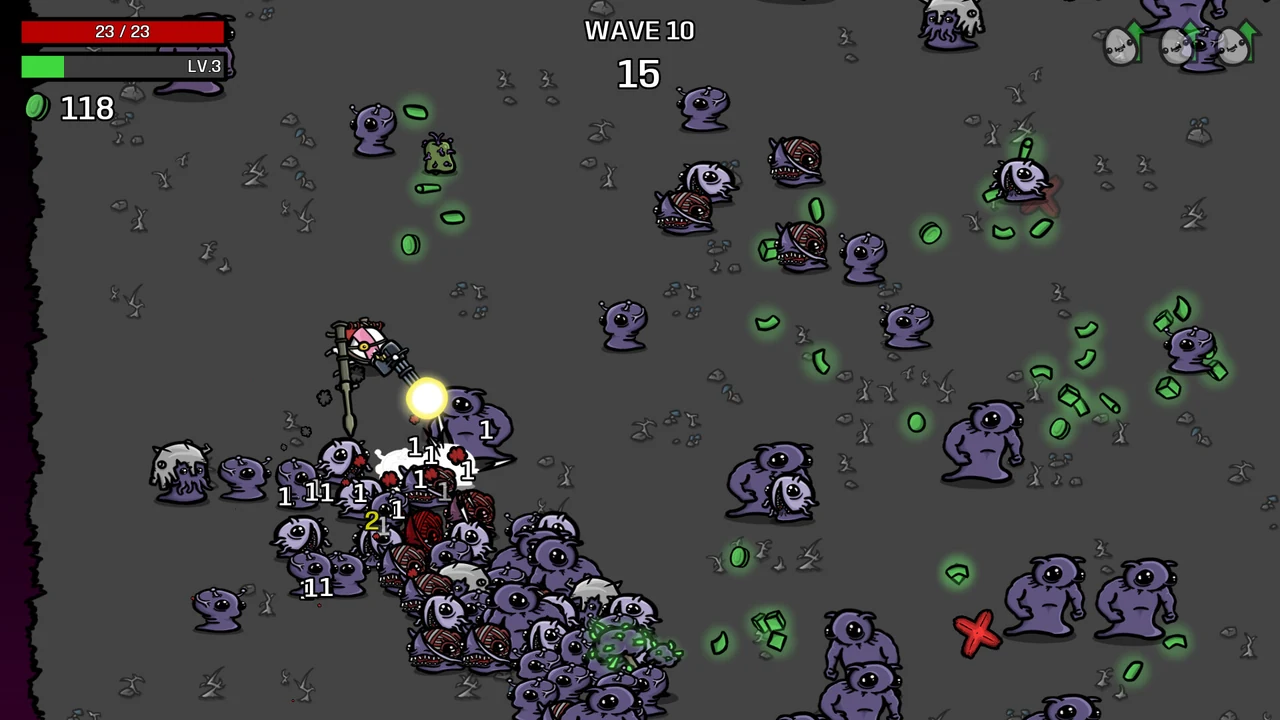
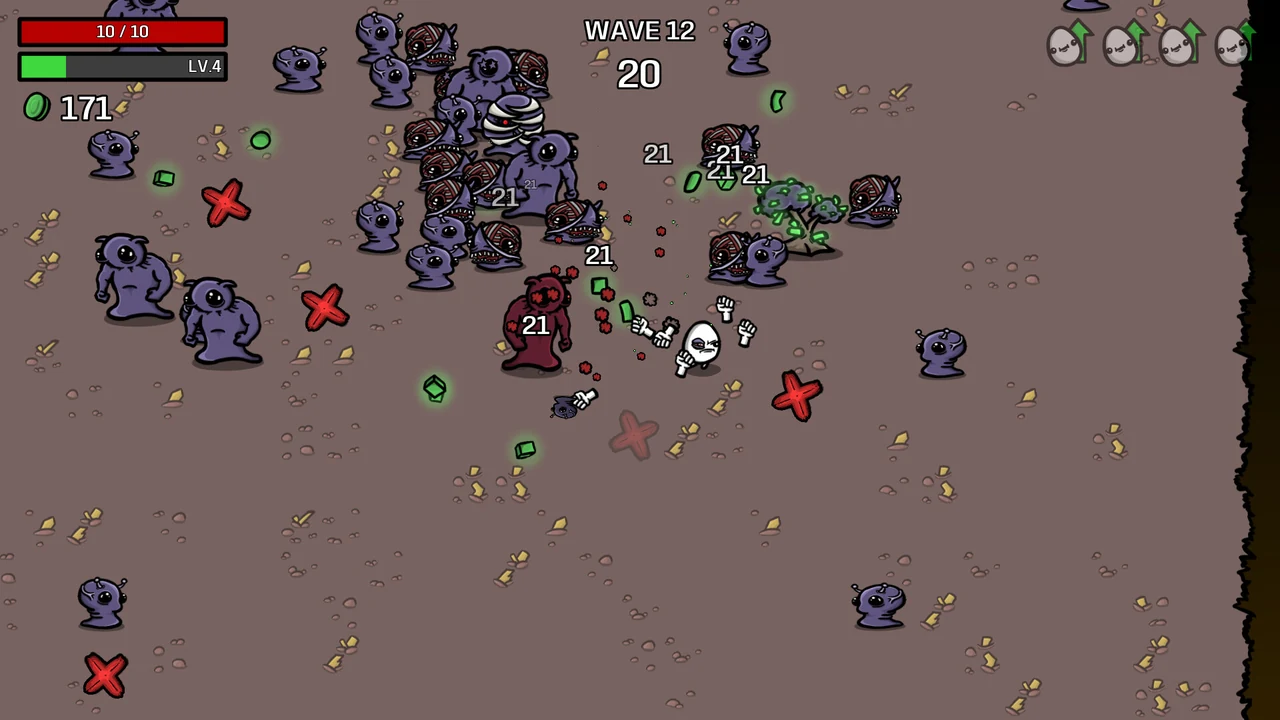
Brotato separates its survival action into arena waves, with equipment decisions between them. The game gives the player access to several weapons at once and a wide range of characters whose differences can shape the plan. The strongest element is that clear rhythm: test the current approach, inspect what is missing, then make another adjustment. Automatic firing is the default, with manual aiming also available, so movement and build decisions are central rather than the only possible style of input. The recommendation depends on enjoying a concentrated arena problem. Readers who want extensive exploration or a developing narrative should not expect those features to provide the main motivation. The gaps between waves are therefore part of the game.
Character choice gives upgrades context
Different starting characters encourage different approaches to weapons and items, making an upgrade useful because of the plan around it rather than only its isolated strength. The pauses between waves give those choices a clear place in the structure. We rate this positively because action and planning alternate without becoming unrelated games. The official feature list also includes local co-operation and adjustments to enemy health, damage and speed. Those options provide available ways to approach the challenge, but do not guarantee that every build or setting will suit every player. Repeated arena play remains the foundation, and it is important to want that activity before treating the number of available characters as a benefit.
Simple figures, visible build changes
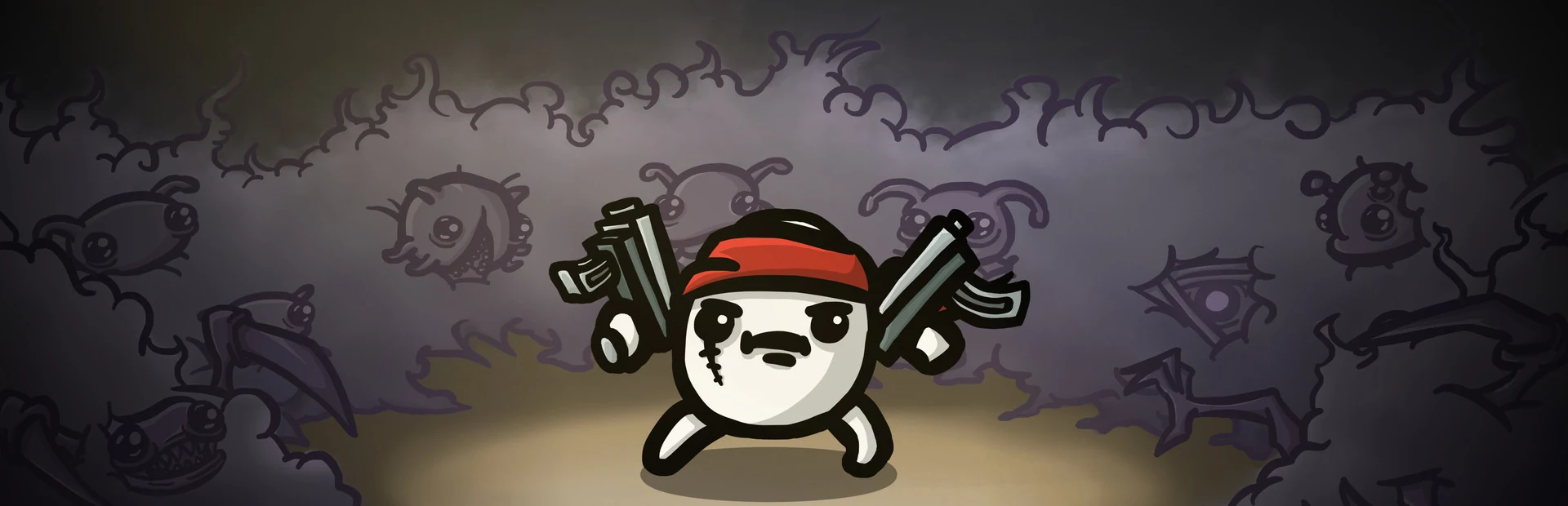
Brotato's straightforward character and arena presentation keeps attention on enemies, movement space and the effects of equipment choices. We score the presentation as a functional part of the design rather than the main reason to select it. A reader seeking elaborate environments may find it visually modest, while another may appreciate the directness of the arena. The game makes the character combinations and survival challenge more prominent than a complex fictional world. The practical question is whether a relatively simple visual language and repeated combat space make it easier for you to enjoy the build decisions. Character traits give the same arena a different emphasis, from weapon restrictions to economic advantages.
Return with a different character plan
Brotato gives repeat play a clear purpose through character differences and equipment combinations. A failed wave can suggest a change to the next plan, while a successful one can encourage experimenting with a less familiar setup. Our return score reflects those available possibilities without assuming everyone wants to repeat the same arena rhythm. Vampire Survivors is a useful alternative for a more continuous flow of movement and crowd management. Choose Brotato when the regular pause to reconsider a build is a feature you want. Its strongest proposition is not an endless world, but a compact cycle in which the next equipment choice has an immediate opportunity to prove whether it helps. Character restrictions and frequent shop decisions keep the build puzzle visible throughout each short attempt.
The verdict
Choose Brotato for short arena waves and frequent build decisions between rounds. Character restrictions and frequent shop decisions keep the build puzzle visible throughout each short attempt.
Reasons to play
- Frequent upgrade decisions support experimentation
- Different character setups encourage repeat runs
- Steam lists shared-screen co-op
Reasons to think twice
- The arena structure is deliberately repetitive
- The visual presentation is simple
- Features and additional content differ across editions
See the game
Assist & accessibility
Explore the available settings and control options on the official game page before choosing your setup.
Parents’ guide
Players: Single-player · Multi-player · Co-op · Shared/Split Screen Co-op. No in-game purchase marker in the checked Steam listing. Separate downloadable content may be sold.
Age classification: 7. Nintendo Switch edition; not a separate PC classification
A useful starting tip
Read a character's defining strengths before selecting equipment; a coherent plan usually matters more than collecting individually attractive items.
A different direction
Compare this with Vampire Survivors: An immediately engaging experiment loop that turns new characters, stages and equipment relationships into clear reasons to begin again.
Official sources
Reviewed: November 2026
You might also like
 HadesRead review →
 Dead CellsRead review →
 Enter the GungeonRead review →